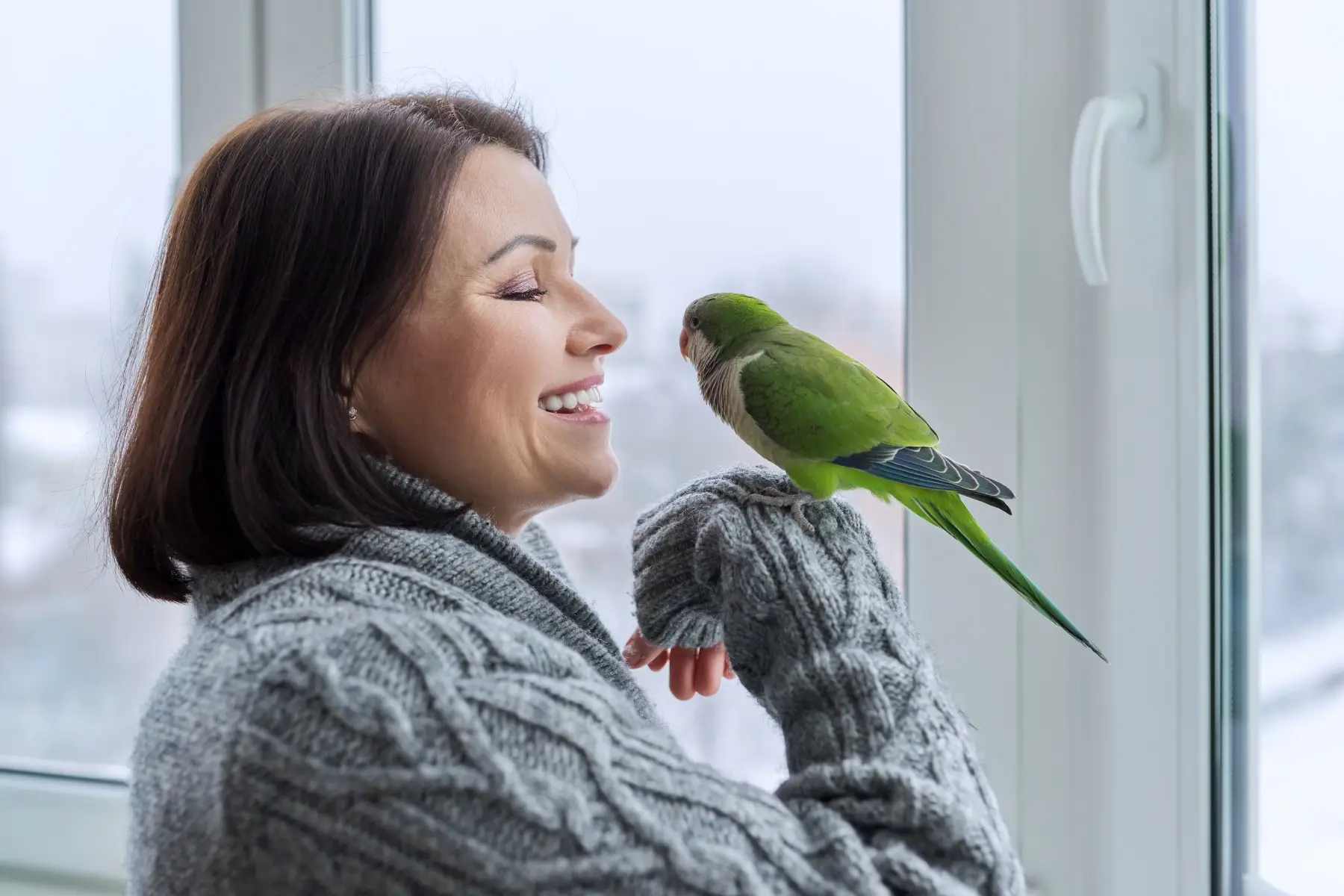
Bringing Home Your Exotic Birds: A Comprehensive Guide for New Owners
There’s something magical about sharing your home with an exotic bird. Their vibrant colors, charming personalities, and melodic sounds create a unique companionship unlike any other pet. With exotic bird ownership rising nearly 15% over the past five years, Todd Marcus Birds Exotic is committed to helping new bird parents fully prepare for this rewarding journey.
With nearly four decades of experience in matching birds with loving homes, we’ve created this comprehensive guide to exotic bird care to help you navigate the exciting process of welcoming your first feathered friend.
Choosing the Right Bird Species for Your Lifestyle
Selecting a bird species that aligns with your lifestyle is the most important decision in your pet bird journey. Consider the following factors:
Space Requirements
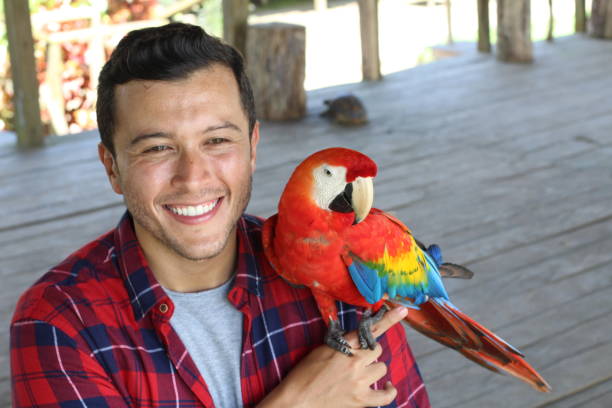
Birds need room to stretch, play, and explore. A Hyacinth Macaw requires significantly more space than a Cockatiel. Be honest about the space you can dedicate to your new companion.
Noise Tolerance
Some birds are naturally vocal. If you live in an apartment or value quiet, consider species like Cockatiels or Parrotlets over noisy Sun Conures.
Time Commitment
Exotic birds are social creatures requiring daily interaction. Ensure your schedule allows for mental stimulation and bonding.
Budget Considerations
Beyond the initial purchase, factor in housing, nutrition, toys, and regular veterinary care.
Beginner-Friendly Species
-
Cockatiels: Friendly, manageable, and adaptable, ideal for first-time owners.
-
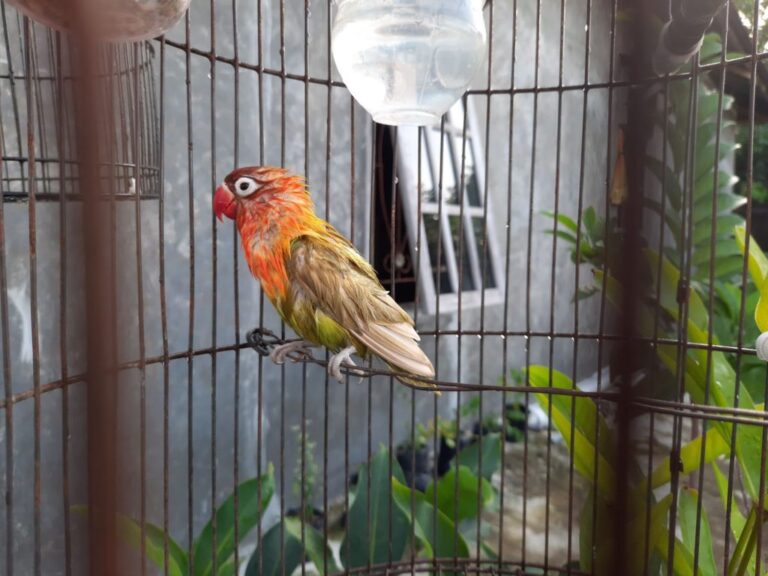
Lovebirds: Small, colorful, and full of personality; need regular handling.
-
Conures: Playful and interactive, balancing noise and engagement for new bird owners.
Creating the Perfect Environment for Your Bird
A bird’s cage is more than a home—it’s their safe space.
Cage Selection Guidelines
-
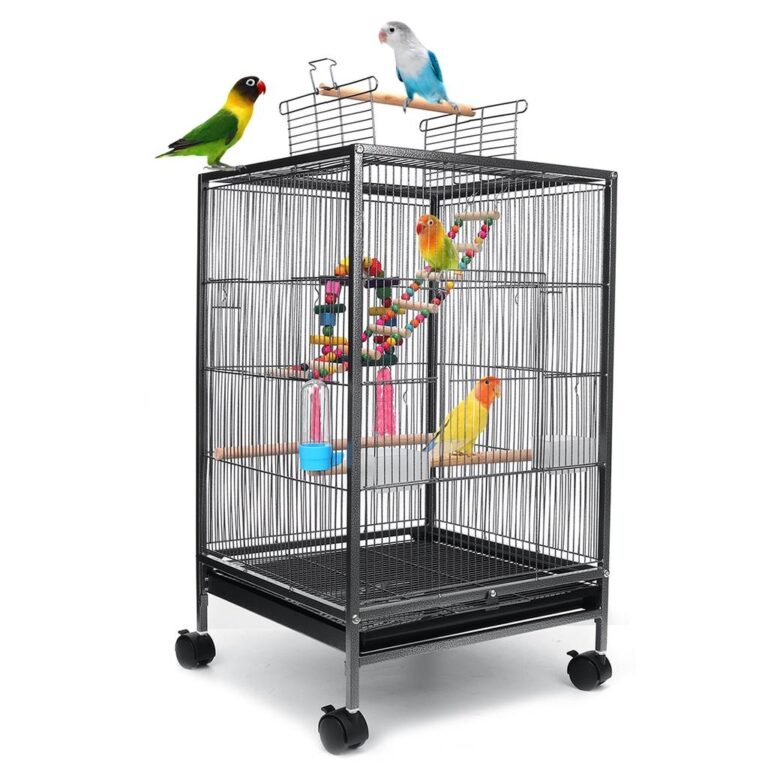
Size: Allow your bird to fully extend its wings and move comfortably. Bigger is always better.
-
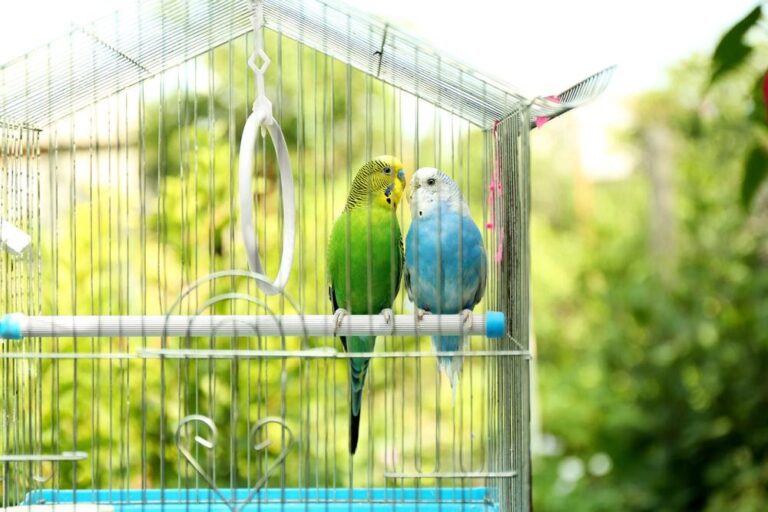
Bar Spacing: Prevent injury with proper spacing; small birds need ~½-inch bars, larger birds require wider spacing.
-
Placement: Avoid kitchens, drafty areas, or direct sunlight. A quiet spot where your bird can observe daily activity is ideal.
Essential Accessories
-
Perches: Vary diameters and textures to exercise feet and prevent sores.
-
Food & Water Stations: Use multiple stainless-steel stations to prevent resource guarding.
-
Toys & Enrichment: Rotate toys weekly; include chewing, foraging, and problem-solving activities.
Temperature & Safety
Maintain 65–85°F (18–29°C) and avoid hazards like toxic fumes, scented candles, toxic plants, ceiling fans, open windows, and unsupervised pets.
Nutrition Fundamentals for Pet Birds
Proper nutrition is key to long-term health. Dietary needs vary by species.
Basic Dietary Components
-
Specialized Pellets: Make up 60–80% of the diet for balanced nutrition.
-
Fresh Foods: Dark leafy greens, vegetables, and limited fruits provide essential nutrients.
-
Seeds: High-fat seeds should be treats, not staples.
-
Clean Water: Fresh, changed twice daily.
Species-Specific Considerations
-
Cockatiels & Budgies: Require higher seed ratios.
-
Lories & Lorikeets: Need specialized nectar plus fruit.
-
Macaws: Require additional nuts for healthy fats.
At Todd Marcus Birds Exotic, we provide detailed feeding protocols for each species, including portion sizes and recommended fresh foods.
Socialization and Training Basics
Bonding Techniques
-
Hand-Feeding: Strengthens bonds for birds weaned under our guidance.
-
Daily Interaction: 15–30 minutes outside the cage multiple times daily builds trust.
-
Body Language: Learn to recognize stress signals like feather fluffing, regurgitation, or pinning eyes.
Basic Training
Start with step-up commands using positive reinforcement. Consistency is key. Once trust is established, birds enjoy simple tricks for mental stimulation.
Healthcare Essentials
Preventive care extends lifespan and quality of life.
Veterinary Partnership
Schedule an initial check-up within the first week of bringing your bird home, followed by annual exams.
At-Home Monitoring
Weigh weekly and track droppings, appetite, energy levels, and respiratory patterns. Document changes to share with your vet.
Common Health Concerns
Seek immediate veterinary attention for:
-
Difficulty breathing or tail bobbing
-
Significant appetite changes
-
Unusual droppings
-
Lethargy or fluffed feathers
-
Eye or nasal discharge
The Todd Marcus Weaning Program
Our specialized weaning program ensures birds and owners are prepared for lifelong companionship.
Program Highlights
-
Birds remain at our facility during weaning, receiving expert care.
-
Owners visit regularly to build bonds and learn handling techniques.
-
Staff guides transition from hand-feeding to self-feeding.
-
Complete documentation of health history and dietary preferences provided.
Thousands of birds and owners have successfully participated. As Sarah T., a customer, shares:
“The weaning program gave us the confidence to bring home our African Grey. The staff’s guidance was invaluable—they didn’t just sell us a bird; they prepared us for a 30+ year relationship.”
Your Lifelong Journey Together
Welcoming your first exotic bird begins an extraordinary journey. Birds become life-changing companions, bringing joy, laughter, and emotional connection. Todd Marcus Birds Exotic remains a resource long after purchase, providing supplies, guidance, and community events to support your journey.
Visit our 10,000 sq. ft. facility to meet your perfect companion—from beginner-friendly Cockatiels to rare Toucans and Macaws. Schedule a consultation or join our “New Bird Owner” workshops today.
Todd Marcus has been breeding and caring for exotic birds for nearly 40 years. Our family-owned facility is nationally recognized for ethical breeding and comprehensive customer education.